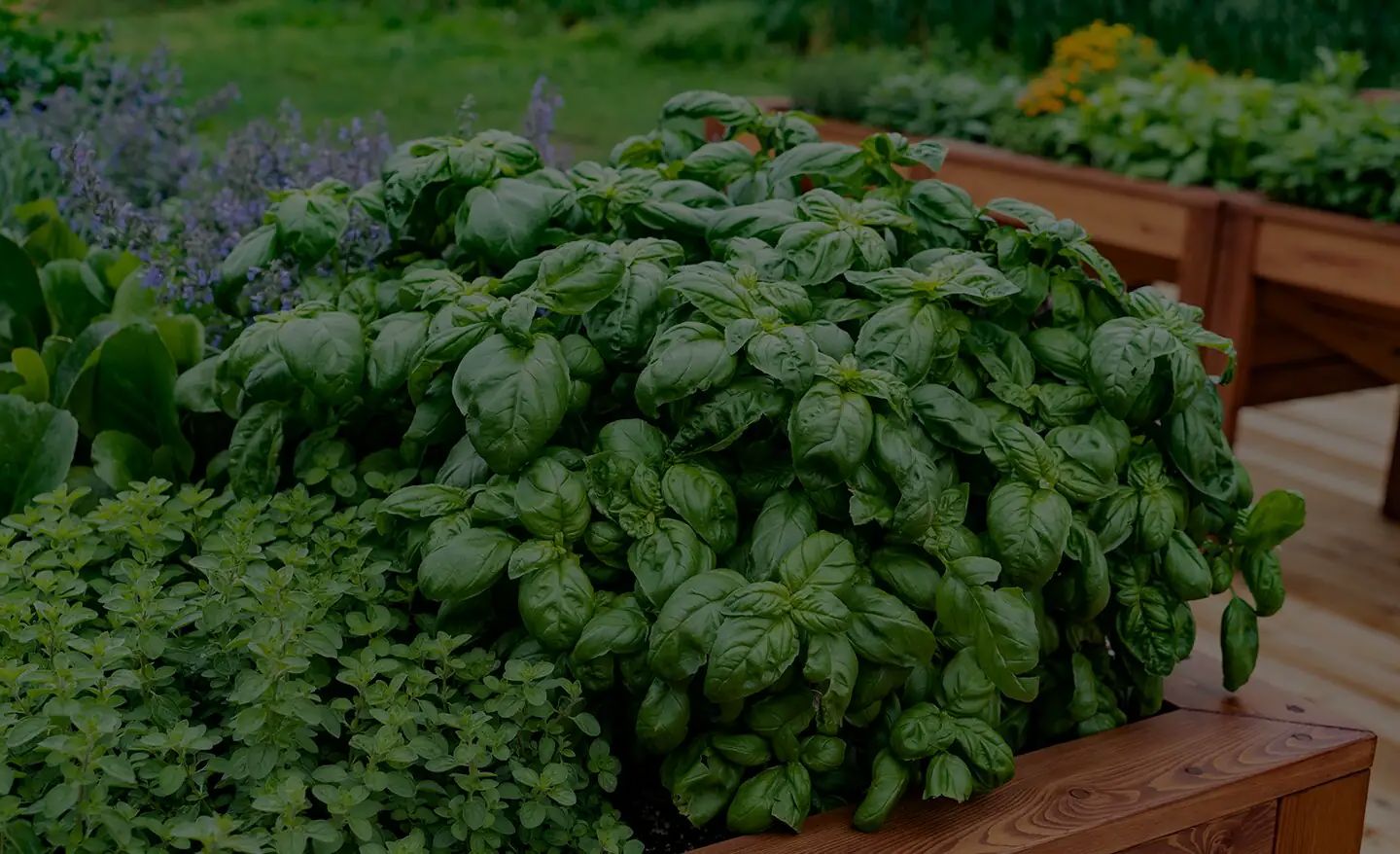

Herb gardening is one of the most interesting forms of gardening you can do if you are into cooking and taking care of plants. In addition to being used in cooking, teas, cocktails, and herbal treatments, herbs are an essential part of any garden because of their lovely foliage and blossoms, many of which attract pollinators.
Compared to purchasing packages of cut herbs from the grocery store, growing your own herbs from seeds or ready-grown plants is far more cost-effective, and you can chop them as needed to ensure they are always fresh. Additionally, a far greater variety of flavors will be available to you.
Herb gardening is easy, as most herbal plants don’t require much care and maintenance. You can easily create a herb garden in indoor or outdoor settings. Herbs can be grown in a specific area of your garden, but if you don’t have much room, you can make a herb garden in a window box, raised bed, or large container.
So, without further ado, let’s explore how you can create a herb garden and some of the best plants to grow in it.
What Is a Herb Garden?

A garden created and maintained primarily for the purpose of cultivating herbs is known as a herb garden. In addition to being helpful since you have easily accessible herbal plants, herb gardening also contributes to the creation of a calm space. You may plant a variety of herbs in a herb garden of any size. Here are some different types of herb gardens you can create –
- Kitchen herb garden: This kind of garden is used to cultivate herbs that are used to flavor food. The plants are typically cultivated in containers close to a kitchen. Basil, parsley, thyme, rosemary, oregano, and chives are a few examples of herbs.
- Herbal tea garden: A herbal tea garden is a place where various mints and chamomile are grown for use in making teas.
- Fragrant herb garden: Herb plants that are well-known for their scent can be grown in a fragrant herb garden. The most common uses for these plants are aromatic candles, aromatherapy, and cut flowers. Scented geraniums, lavender, and lemon balm are a few examples.
- Medicinal herb garden: Plants with therapeutic properties, such as holy basil, are grown in this kind of herb garden.
Planning a Herbal Garden
While planting and growing herbs, always keep in mind that your herbal plants should be easily accessible during harvesting. Creating a round herbal garden using stepping stones as a border or growing herbs in a raised bed is always a good idea.
Moreover, you need to divide your herbal garden by grouping plants with similar needs together. Furthermore, growing herbs in divisions also gives you the freedom to beautify your herbal garden. You also need to prepare the soil, according to the herbs you are growing, after dividing the garden.
You can also check what your herb garden will look like by placing the plants before planting them.
Herb Gardening Tips

Here are some basic herb gardening tips every gardener should know –
- Pick a sunny spot: Since most herbs require full sun, pick a spot that gets at least six hours of sunlight each day.
- Prepare the soil: Soil that drains effectively is ideal for herbs. Add organic stuff, such as compost, to the soil.
- Choose your herbs: Before you even visit the garden center, it’s a good idea to make a list of the herbs you enjoy using in cooking.
Choose the location
It’s common knowledge that you should place your herbs as close to your kitchen as you can so you can easily select them while cooking. However, the most important thing to keep in mind is that most herbs thrive in sunny, shaded areas. Even though some herbs are shade-tolerant and thrive in less sun, it is recommended to do thorough research on the plants you are planning to grow.
Choose the plants
Numerous perennial herbs, including oregano, thyme, rosemary, and sage, are native to the Mediterranean region, where they flourish in sunlight and poor soil. As a result, they require light, well-drained soil and lots of sunlight. A richer, moister soil is preferred by many annual and biennial herbs, including basil, parsley, coriander, dill, and purslane. They may bolt (run to seed) if they are overheated and dry.
Certain herbs can withstand some shade, such as parsley, dill, and chervil. When grown in the ground, herbs like mint and lemon balm tend to spread. Grow them in big pots or give them a specific space where they can grow freely without combining with other herbs.
Watering Herbs
Most herbs prefer to be kept on the dry side and thrive best in very well-maintained soil. How much water they need depends on the variety, climate, and kind of soil. For example, plants growing in sandy soils need to be watered more frequently than those growing in clay soils. Keep in mind that plants need more water in hot, dry, windy conditions than in cool, humid, clear conditions.
When watering, make sure the root system is at least six inches deep. Effective water application tools include drip irrigation and soaker hoses. They save water waste by only watering the plant’s roots, and they prevent illness by keeping the foliage dry.
Fertilizing Herbs
Excessive amounts of nutrients, particularly nitrogen, hinder the growth of herbs and reduce their flavor and aroma. Consequently, do not overfertilize. Slowly disintegrating organic fertilizers and controlled-release artificial fertilizers reduce the risk of nutrient overfeeding. Use the package or the instructions from a soil test to figure out how much fertilizer to apply.
Conclusion
Creating a herb garden is easy as long as you have the right guide, such as this. Herb gardening might seem challenging to some people; however, it is fairly easy compared to other types of gardening, as herbal plants don’t have many requirements and can be grown in most conditions. Therefore, make sure to grow a herb garden and enjoy fresh herbs anytime. And to know more about herb gardening and different herbal plants that you can grow, download the Plantora App. This plant care app is a must-have for every gardener and plant lover.

Raghav is a talented content writer with a passion to create informative and interesting articles. With a degree in English Literature, Raghav possesses an inquisitive mind and a thirst for learning. Raghav is a fact enthusiast who loves to unearth fascinating facts from a wide range of subjects. He firmly believes that learning is a lifelong journey and he is constantly seeking opportunities to increase his knowledge and discover new facts. So make sure to check out Raghav’s work for a wonderful reading.