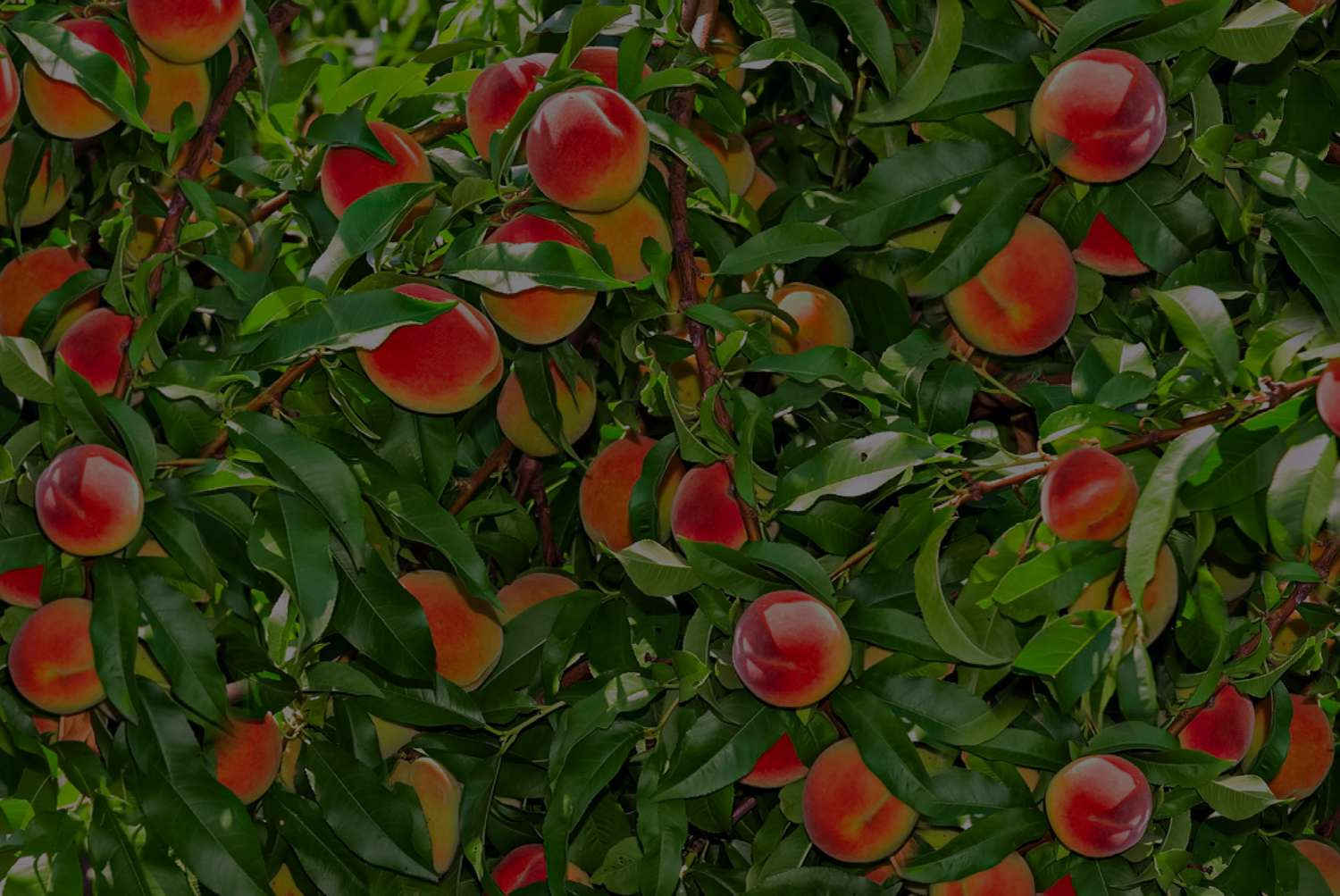

If you are fond of juicy, fuzzy, and delicious peach fruits, then this guide on peach tree care is for you. The Peach tree (Prunus persica) is a self-fruiting plant, so you’ll need only one to enjoy its fruits. However, this fruiting plant can take 3-4 years to mature and produce fruit. So if you are patient enough, you can grow this plant in your fruit garden.
With the right peach tree care, you can grow these plants in pots, patios, and even in your backyard. Moreover, this plant produces beautiful and fragrant flowers in spring. And its lush summer foliage can uplift the appearance of any garden.
There are many varieties of peach trees available for you to grow, and some dwarf varieties can even grow as potted plants. Peach trees thrive in moderate climates and full sunlight. Moreover, keep in mind that all parts of this plant are toxic to pets and humans, except for the edible fruits.
Picking the right plant
Several varieties of peach trees are available, and you’ll need to select the right one that will thrive in your local climate. For this, you’ll need to research the right varieties or contact your local nursery to get more information on the plant if they have one available.
If you live in colder environments, you’ll need to select cold-tolerant varieties. Moreover, you’ll also need to consider the space; standard varieties of peach trees are suitable for big spaces, whereas patio varieties are ideal for containers.

Peach Tree Care
Once you’ve selected the right varieties, you can move forward with growing and caring for your peach tree. Here are tips and basic peach tree care needs –
- Plant your peach tree when it is dormant, either in late winter or early spring.
- Stake the plant immediately after planting using an elastic tree tie. Moreover, distance the stake from the tree and stick it 6-8 inches into the ground. Avoid hitting the root ball.
- Depending on the variety of the plants, make sure you space them accordingly.
- Plant your peach tree in a sunny location, as this plant thrives in full-sun.
- Peach trees prefer good air circulation and protection from strong winds.
Water
Peach trees prefer consistent moisture. Keep the soil moist in the first few growing years and during the fruit production. Once established, this plant will flourish with a deep soak every 7-10 days. Potted peach trees might require more frequent watering as they tend to dry out fast.
Light
Peach is a sun-loving plant and requires 6-8 hours of direct sunlight, whether growing in pots or in the ground. More sunlight helps the plant during flower and fruit production, whereas a lack of sunlight usually results in loss of hardiness, making the plant more susceptible to diseases and pest infestation.
Especially in cooler climates, make sure to plant your peach tree in a sunny location. Lack of sunlight is a common problem with indoor fruiting plants. Therefore, for better peach tree care, place your container-grown plant in a bright location, and if possible, move it outside to fulfill sunlight needs or use artificial grow lights.
Soil
Use a well-draining, sandy, and acidic soil that is rich in nutrients. It is better to avoid heavy or clay-like soil as it stays more moist and can lead to root rot. If your soil is of such a type, add sand to it to make it light. Moreover, supplementing the soil with organic mulch such as leaf mold or compost keeps weeds away and makes the soil healthy.
For potted plants, use a well-draining potting mix that is suitable for citrus or fruiting trees.
Temperature and Humidity
Peaches prefer and thrive in moderate temperatures. However, specific growing conditions might change according to your local climate and the variety you are growing. Peach trees prefer moderate humidity, as excessive moisture can result in fungal problems.
Fertilizing
Peach trees are heavy feeders and prefer a good amount of nutrition, especially during fruit production. Feed the plant using an all-balanced fertilizer in spring, just before flowering. Keep in mind to only use 1 pound of fertilizer for new plants and increase 1 pound each year, going up to 10 pounds for mature standard varieties.
Overfeeding the plant can result in excess nitrogen, promoting leafy growth instead of fruit production.
Pruning
Pruning is an essential part of peach tree care as it ensures better air circulation, fruit production, and appearance of the plant. Moreover, pruning also helps prevent diseases and pest infestations. However, trimming the peach tree is slightly different from other plants. For this plant, you’ll need to prune in such a way that the inside branches are more trimmed, making the appearance of this plant like an upside-down umbrella.
Unlike most fruiting plants, peach trees should be pruned in early spring instead of winter. Remove dead or damaged branches first, and also remove extensive branches.
How to Propagate Peach Trees?
You can easily propagate non-grafted varieties of peach trees using softwood cuttings –
- Choose a healthy branch that is at least 8-9 inches long in early spring.
- Remove the leaves attached at the bottom of the cutting and dip the cut-end of the branch in rooting hormone.
- Plant the cutting in a pot filled with sterile potting mix. Keep the potting mix moist.
- Roots should start appearing after a few weeks. You can shift the cutting to a permanent spot.

Overwintering Peach Trees
Peach trees are generally hardy, but young plants will require extra care to survive through winter. Add mulch to the base of the plant to protect the roots from harsh conditions. Use a tree guard to protect the trunk from critters. Move container plants to a sheltered area after they go dormant. Don’t let the soil dry out completely, and water lightly if required. Remove any fruit from the mature trees before winter to prevent any stress.
How to Harvest Peach Fruits?
Peach fruits will be ready to harvest when they develop full color and are soft to the touch. Check for ripeness by gently squeezing the fruit. If the fruit is ripe, it will easily come off with a slight twist. You can store freshly picked peaches in the refrigerator for up to a week. For large quantities, try canning and freezing.
Common Problems With Peach Trees
Generally, peach trees are quite hardy, but they can occasionally face a few problems. However, if detected in time, these problems are fairly manageable.
- Pests – Various pests such as aphids, spider mites, scales, and peach tree borers can harm the health of your plant. For better peach tree care, regularly monitor for any signs of these pests and use insecticidal soap to treat them.
- Diseases – Fungal problems such as powdery mildew, peach leaf curl, and brown rot are some of the common plant diseases to which the peach tree is susceptible. To prevent and treat these diseases, use a copper-based fungicide in late fall or early spring.
- No Fruits – For peach trees not to produce fruits, there could be several reasons. The plant could be young, over-pruned, over-fertilized, or lack pollination.
- Yellowing leaves – There could be different types of yellowing in leaves. Iron deficiency causes yellowing of the veins in leaves. Root rot or crown rot can cause general yellowing of the leaves.
- Premature Fruit Dropping – If your peach tree is dropping fruit early, it might be going through a natural process to relieve excess fruit production. Moreover, unusually cold temperatures, pests, and diseases can cause this problem.
FAQs
How long does it take for peach trees to bear fruit?
Under the right conditions and proper peach tree care, this plant will start bearing fruit within 2-4 years.
What are peach tree flowers like?
The peach tree flowers are small and have a mild floral fragrance. The blooms come in shades of bright pink, white, or lavender-like colors.
What is the lifespan of peach trees?
Peach trees grow fast and usually live up to only 20 years.
Do peach trees drop leaves every year?
As a deciduous tree, it is natural for a peach tree to drop leaves every fall. Dropping leaves is healthy and essential.

Raghav is a talented content writer with a passion to create informative and interesting articles. With a degree in English Literature, Raghav possesses an inquisitive mind and a thirst for learning. Raghav is a fact enthusiast who loves to unearth fascinating facts from a wide range of subjects. He firmly believes that learning is a lifelong journey and he is constantly seeking opportunities to increase his knowledge and discover new facts. So make sure to check out Raghav’s work for a wonderful reading.