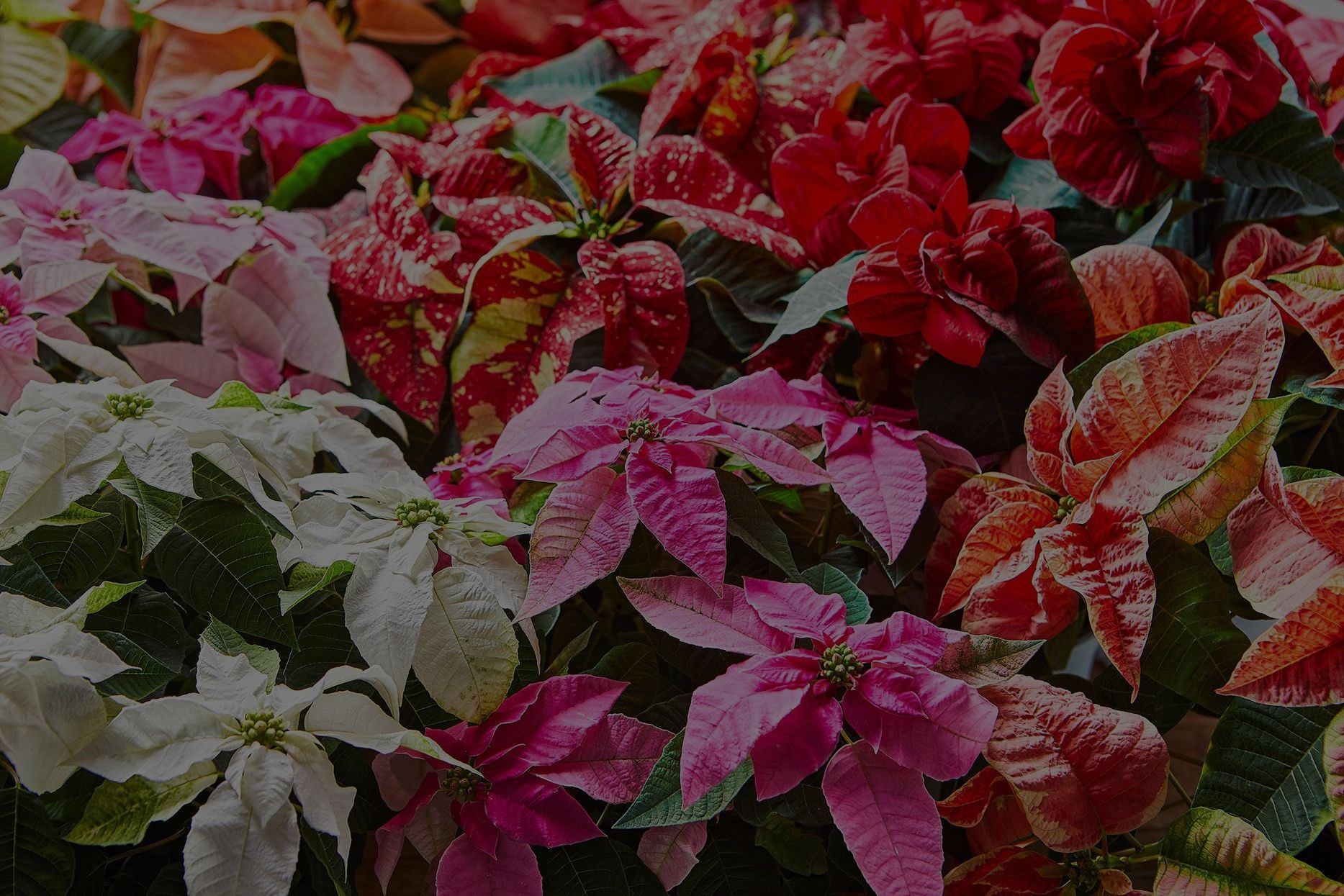

The Poinsettia plant (Euphorbia pulcherrima) is a must-have holiday plant for your indoor and outdoor garden. These vibrant plants are popular for their beautiful red and pink leaves and yellow flowers. Native to Mexico, these perennial shrubs are commonly used for decorations during the winter holidays.
Easy poinsettia plant care makes these plants a great choice for most gardeners. Usually short-lived, these plants can thrive for the entire season and may even rebloom in the following year under the right conditions. So without further ado, let’s explore more about poinsettia plant care and how you can keep these plants thriving during the holidays.
Why Grow Poinsettia During Winter Holidays?
Poinsettia plants, also known as Mexican flameleaf, are popularly grown during the winter holidays, as different varieties of these plants fit perfectly with various decorations around your home. These plants come in a variety of colors, ranging from the shades of creamy white to vibrant pink or red.
Poinsettias are short-day plants, meaning they respond to the light and darkness to form their colored bracts (leaves). Moreover, the variety of flowers of these plants makes them great to have in your garden during the holidays.
Poinsettia Plant Care

Key Tips
Here are some tips to keep in mind to take better poinsettia plant care –
- Poinsettias are winter-flowering plants and go dormant for the rest of their life. But with the right care, they can be rebloomed for the next winter.
- Plant them in well-draining and nutrient-rich potting soil.
- Place your poinsettias in bright, indirect, or diffused light.
- Keep them away from cold drafts and heat vents.
- Water only when the top few inches of soil feel dry to the touch.
- Poinsettias are usually pet-friendly but can be mildly toxic when ingested. It is better to keep them away from your pets.
Light
Poinsettias thrive in plenty of indirect sunlight –
- Place them near a South, East, or West window with bright light.
- Avoid direct light as it can burn the plant foliage.
- These plants need long and uninterrupted darkness during the night for their color development. If you are trying to get them to re-induce for next season, it is better to avoid all kinds of artificial lighting and keep them in complete darkness during the night.
Water
Poinsettias prefer moist but not soaked conditions –
- Water the top 1 inch of the soil when it feels dry.
- Keep good drainage so as not to keep these plants in standing water.
- Overwatering can cause yellowing in leaves and can also result in the death of the plant.
Note: For better poinsettia plant care, use a pot with drainage holes.
Soil
- Poinsettia plants usually come potted with the required soil. However, you’ll need some soil for repotting them; therefore, use a well-draining and peat-based potting mix.
- These plants prefer slightly acidic soil.
Temperature and Humidity
- The ideal temperature range for poinsettias is between 65-75℉ (18-24℃).
- A slight drop in the night won’t affect the health of your plant.
- Poinsettia plants enjoy humidity, and it can be a problem during dry conditions indoors during the winter.
- Use a humidifier or a water tray to maintain adequate humidity.
Fertilizing
For better poinsettia plant care, feed your plants during the active growing season –
- Use a balanced, water-diluted fertilizer every 3-4 weeks.
- Fertilizing every 3-4 weeks from spring until the plant re-establishes can help them thrive throughout the year.
- Avoid feeding when the plant is at its bract color stage.
Pruning
Poinsettia plants don’t require much pruning as they grow for a single season –
- However, plants that are grown for reblooming can benefit from little pruning, as it promotes bushier growth.
Propagating Poinsettia Plants
These plants don’t produce any seeds; therefore, they can be propagated using stem cuttings –
- Cut 3-to-6 inches long stem from fresh growth.
- Apply rooting hormone to the cut end of the stem and plant it in a small pot with standard potting mix.
- Cover the pot with a plastic bag to secure moisture and place it in a spot with bright and indirect light.
- You will notice new leaf growth and root development. Remove the plastic bag and continue growing the plant in the same pot or shift it to another.

How To Get Poinsettias To Rebloom?
Getting poinsettias to rebloom next year can be tricky, but it is possible. With the right poinsettia plant care, you can get your plants to rebloom. Here’s how –
- Keep your plant in bright and indirect light and maintain a constant temperature.
- Prune the stems in Spring when the bracts fade.
- Keep the basic care (watering, fertilizing, etc) going on throughout the summer season.
- In the fall, start controlling the day-night light cycles. Provide at least 14 hours of complete uninterrupted darkness at night and bright light during the day to the plant.
- Do this for 8 to 10 weeks until the plant shows new bract colors.
- Return to the normal poinsettia plant care after the plant produces new bract colors.
Common Problems with the Poinsettia Plant
Just like most plants, poinsettias are also susceptible to various common plant problems –
- Pests – Various pests such as thrips, mealybugs, whiteflies, and fungus gnats can infest your poinsettia plants.
- Diseases – Common plant diseases, such as powdery mildew, can be a problem for these plants.
- Yellowing Leaves – Leaves turning yellow is a common problem for poinsettias and can have various reasons, such as lack of nutrients, over-fertilization, overwatering, or too acidic soil, etc. If there are small spots with yellow halos, your plant has. Use fungicide to treat it.
- Browning Leaves and Stems – Brown leaves can be caused by cankers; remove the affected parts of the plant. Root rot can cause stems to turn brown or black. Remove the affected parts and repot the remaining plant in a fresh soil mix.
FAQs
Is poinsettia plant care easy?
Yes, you can easily care for the poinsettia plant as long as you are familiar with its needs. However, to keep these plants alive till the next holiday season is tricky.
Are poinsettia fast growers?
When grown in the garden, these poinsettias are moderately fast-growing plants and can reach a height of 10 to 15 feet.
Is poinsettia an indoor plant?
Yes, you can grow these tropical plants indoors as long as you can provide them with the same conditions as other tropical plants. Moreover, you can also shift these plants outdoors in summer to any partially shaded location.
Why are my poinsettia leaves falling off?
Poinsettia plants can drop their leaves in response to a sudden change in temperature in their environment. Moreover, extremely dry soil conditions can also cause this.

Raghav is a talented content writer with a passion to create informative and interesting articles. With a degree in English Literature, Raghav possesses an inquisitive mind and a thirst for learning. Raghav is a fact enthusiast who loves to unearth fascinating facts from a wide range of subjects. He firmly believes that learning is a lifelong journey and he is constantly seeking opportunities to increase his knowledge and discover new facts. So make sure to check out Raghav’s work for a wonderful reading.