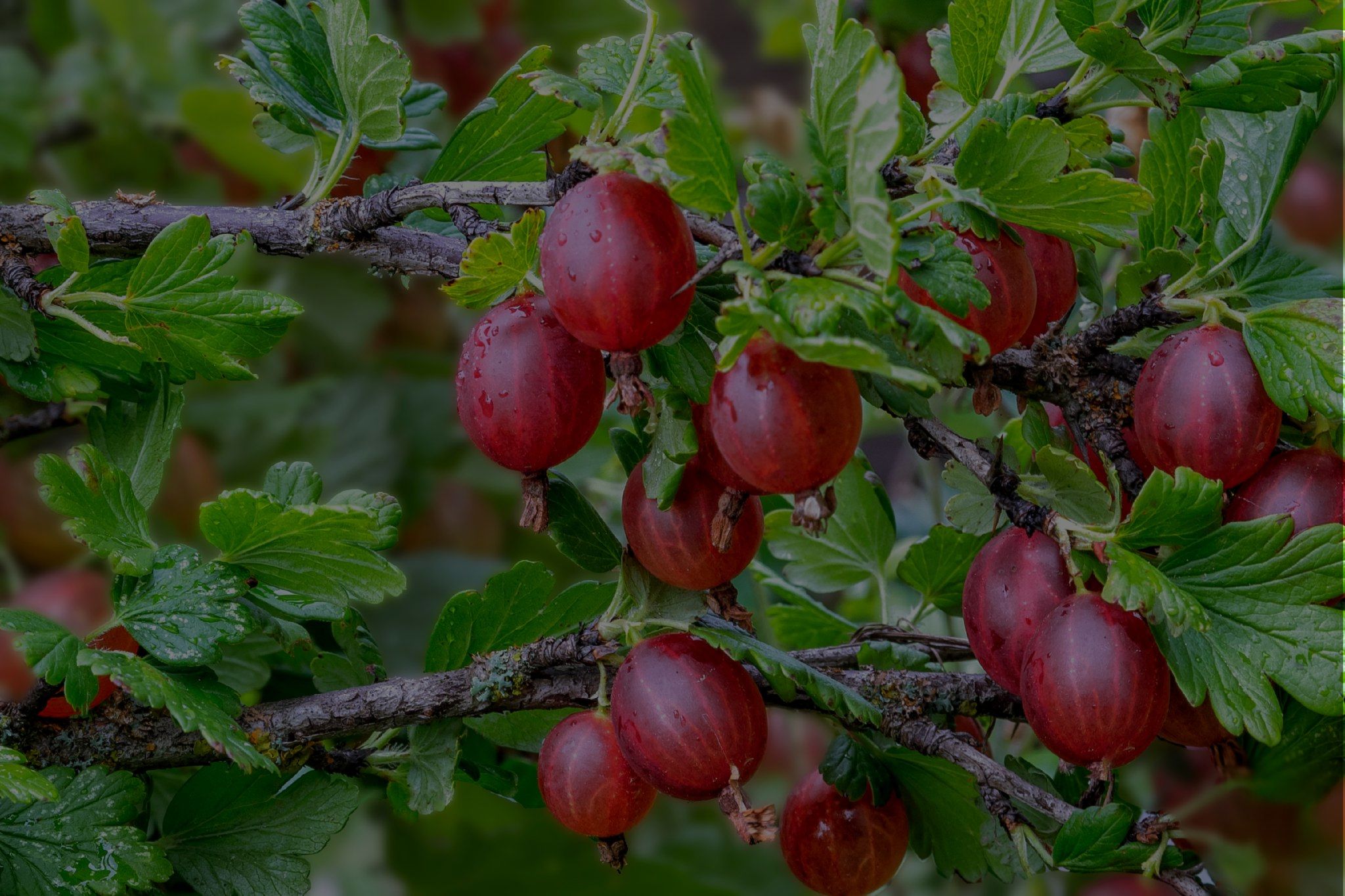

Gooseberries (Ribes spp.) are small fruiting shrubs that thrive in partial shade. These fruiting plants are used in many food items such as pies, jellies, jams, cakes, etc and have a punchy flavor. Gooseberry plant care is easy, and their small size makes them a great addition to most fruit gardens.
Gooseberries are hardy and long-lived plants that are also self-fertile. Moreover, these plants can be grown as bushes or trained to a desired shape either in the ground or as potted plants. Gooseberry plants have two main species – European Gooseberries and American Gooseberries, each having multiple cultivars.
So without further ado, let’s explore more about the gooseberry plant care and how you can grow these delicious fruiting plants at home.
Selecting The Right Variety
The Gooseberry plant comes in several varieties with attractive red, yellow, or green fruits that can be enjoyed from late June to mid-July. Choose the varieties that are resistant to white pine blister rust and powder mildew. Fruits of dessert varieties can be eaten raw, while culinary varieties are handy for jams, jellies, and puddings.
Moreover, select the varieties according to the available space in your garden. Some gooseberry plants have fewer thorns, while almost all varieties have prickly stems. You can buy your preferred varieties as bare-root or potted plants. Bare-root plants are available dormant, great for early spring planting, and are slightly cheaper. Potted plants are usually available all year round.

Planting Gooseberries
Gooseberries are hardy and adaptable plants that can be grown in most conditions. These plants adapt to most soil conditions but thrive in moist, well-drained ground. Gooseberry fruits grow sweeter in sunny locations, even though these plants can be grown in some shade.
Moreover, these plants need protection from late frosts and strong winds, so choose a location that provides cover to the plants. Furthermore, consider selecting a fruit cage to protect the plant from birds.
Plant the bare-root plants from late autumn to early spring, and potted plants can be grown at any time. Keep the plants in the same depth or slightly deeper than they were before planting, and keep your plants 3 to 4 feet apart.
Water the newly planted bushes deeply for the first growing season until they are established and in hot weather.
Gooseberry Plant Care
Now that you have selected the right variety and planted it in your garden, let’s take a look at gooseberry plant care –
Water
Just like most shade-tolerant plants, gooseberries are also shallow-rooted and not drought-tolerant. Therefore, water these plants regularly; an inch of water each week is ideal for these plants. For better gooseberry plant care, water them more in hot weather.
Light
Gooseberry plants can be grown in partial shade or full sun. Protect your plants from the hot midday or afternoon sun in warmer climates, as it can scorch the foliage. Consider a location that is shaded by a tree or a building.
Soil
These plants can thrive in a wide range of soil, but a well-drained, sandy loam, and nutrient-rich soil mix is preferred for these plants. Avoid heavy clay soil and sandy soil, as it gets hot and dry easily in the summer sun.
Mulch the soil to keep roots cool and moist and prevent any weeds. Mulching the soil also increases the organic content in it.
Temperature and Humidity
Gooseberries thrive in cool climates and don’t do well in extreme temperatures. Avoid low-lying frost pockets, as late spring frost can damage the flowers and ruin the harvest. Space your plants to promote air circulation, as excess humidity can invite various diseases.
Fertilizers
Use a balanced 10-10-10 fertilizer to feed your plants in spring and gradually increase the quantity of fertilizer each year. Also, conduct a soil test to check for the necessity of any other nutrients.
Pruning
Pruning is an essential yet tricky part of gooseberry plant care. These plants produce fruits on 1, 2, and 3-year-old canes. While pruning, keep in mind to have a few canes of each age on the plant, while also making way for new canes.
Prune in winter to cut out the older canes, which can be recognized by their darker color. Also remover any broken and decayed canes to prevent diseases. Pruning the plant annually will result in healthy growth.

Propagating Gooseberry Plants
You can easily propagate the gooseberry plants via tip layering. Just bend and bury the tip of a healthy cane into the ground and secure it with something heavy, such as a rock. The tip can take up to a year to produce roots. Remove it from the parent plant and transplant it to a new permanent location.
How To Harvest and Store Gooseberry Fruits?
Gooseberries are ready to harvest when they reach their full color in June and July. Harvest these plants carefully, as they have thorns. Harvesting these plants can also be done by shaking them and catching the falling fruits with a vessel underneath. You can also buy a specialized gooseberry scooping tool that is used to harvest all the fruits on a single branch.
You can eat these fruits within a few days of harvesting them or store them in a fridge for up to 2 weeks.
Common Problems with the Gooseberry Plant
Better gooseberry plant care means taking care of the common problems that your plant is prone to –
- Birds – The ripening fruits of these plants can attract birds. To protect the fruits, net the plant.
- Diseases – Various plant diseases, such as powdery mildew, leaf spot, and anthracnose, can harm the health of your gooseberry plant. Remove the infected parts of the plant and apply the required treatment. Moreover, consider choosing disease-resistant varieties.
- Pests – Aphids, borers, gooseberry fruitworms, etc are some pests that can infest these plants. Prune old plant foliage and infested plant parts.
FAQs
Are gooseberries safe to eat right off the plant?
Yes, gooseberries can be consumed raw straight from the plant.
Are gooseberries illegal?
Gooseberries were once illegal in North America because these plants can host white pine blister rust. However, this ban has now lifted in a few states, and disease-free varieties are now available. It is recommended to check with your local nursery for more information on banned or illegal plants.
How long does it take for gooseberries to bear fruit?
These plants can take 1 to 3 years to produce the fruits; however, the plant variety and its care can affect this time.
Do gooseberries need two plants?
No, gooseberries are self-fruiting plants and do not need two or more plants for pollination.

Raghav is a talented content writer with a passion to create informative and interesting articles. With a degree in English Literature, Raghav possesses an inquisitive mind and a thirst for learning. Raghav is a fact enthusiast who loves to unearth fascinating facts from a wide range of subjects. He firmly believes that learning is a lifelong journey and he is constantly seeking opportunities to increase his knowledge and discover new facts. So make sure to check out Raghav’s work for a wonderful reading.