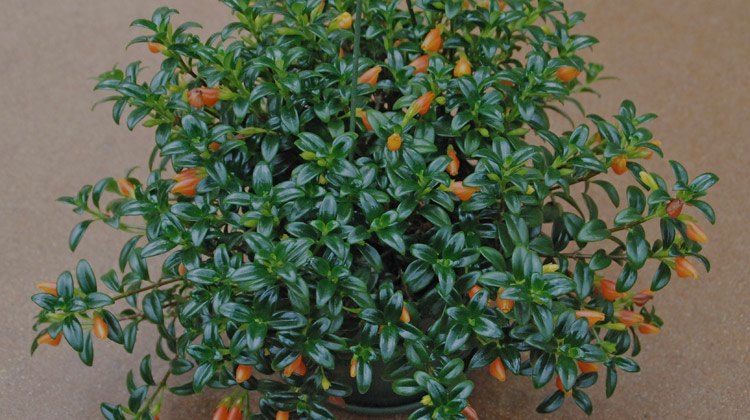

The Goldfish plant (Nematanthus spp) is one of the most unique and beautiful indoor plants. This indoor flowering plant features vibrant red-orange blooms that bloom in spring and appear as leaping goldfish. Moreover, the thick and glossy dark green leaves add to the charm of this plant.
The trailing habit of this plant makes it great for hanging baskets. The goldfish plant care is also easy, as this tropical plant is native to Brazil; it thrives in warm and humid conditions. In the wild, this epiphyte grows on large trees; however, it can thrive as a potted plant in most indoor gardens.
So without further ado, let’s explore more about goldfish plant care and how to grow this beautiful plant at home.
Goldfish Plant Care

Here are some basic care tips for the goldfish plant –
- Provide bright and indirect light to your goldfish plant.
- Water consistently in summer and reduce in the winter.
- Use a well-draining and loose soil mix.
- Fertilize the plant weekly during the growing season and maintain moderate humidity.
Water
Keep the soil consistently moist by watering the plant regularly during the summer. However, water only when the top few inches of the soil feel dry to the touch, like you would for succulent plants.
Also, keep in mind not to dry out the plant completely, as it can start dropping leaves and flowers. The same goes for watering too much – overwatering can cause root rot. Cut back on watering during the winter.
Light
This plant prefers bright and indirect light; therefore, place it in a spot that receives filtered light. For better goldfish care, keep them in front of an east-facing window, as this plant also prefers long periods of light.
Keep the plants away from direct light, as it can burn their leaves. Moreover, you can use a grow light for the goldfish plant.
Soil
Use a well-draining, light, and peat-based potting mix for the goldfish plant. You can use a mix well-suited for succulents or create your own by adding perlite or vermiculite for better drainage and air circulation.
Temperature and Humidity
The goldfish plant thrives in a temperature range of 65℉ to 75℉ (18℃ to 27℃). This plant is sensitive to cold drafts, so for better goldfish plant care, maintain a steady environment.
You can mist this plant daily with room-temperature water as it prefers moderate humidity. In drier climates, you can use a humidifier for better goldfish plant care.
Fertilizer
Feed this plant every two weeks during the active growing season (spring and summer) using an all-purpose fertilizer suitable for houseplants. Apply the fertilizer as per the instructions on the label.
Pruning
Pruning your goldfish plant can help you maintain its bushy appearance and keep the plant in a desired shape/size. For better goldfish plant care, trim the plant after it finishes flowering to promote new growth. Remove any damaged foliage to prevent pests and diseases.
Potting and Repotting
This plant prefers to be slightly pot-bound, which results in more showy blooms. Repot this plant every 2-3 years and use a well-draining potting mix in a pot that is slightly bigger than the current one. You can also root-prune the plant while repotting to encourage the new growth.
How to Propagate the Goldfish Plant?

You can easily propagate your goldfish plant using stem cuttings. Growing this plant from seeds is very difficult in indoor environments. Therefore, it is recommended to follow these steps to propagate your plant –
- Choose a healthy 2-3 inches long stem with no flower buds and remove its bottom leaves.
- Dip the stem base in rooting hormone to increase the chances for root production.
- Take a glass or jar filled with clean water and place the cutting in it. Keep the jar in a warm place.
- Replace the water with a clean batch every week.
- The roots will emerge in about 2 weeks. Wait for the cutting to grow a few inches before planting it in a pot with potting soil.
- After potting the cutting, place it in a warm location with bright and indirect light. Maintain moderate humidity until you see new growth.
Common Problems with the Goldfish Plant
Even though the goldfish plant is hardy and easy to grow, it can still face some common plant problems that you need to take care of –
- Pests – Common plant pests such as aphids, mealybugs, and spider mites can infest your plant. For better goldfish plant care, regularly monitor your plants for any signs of pest infestation. Hose off any visible pests with water sprays and use insecticidal soap to treat the infestation.
- Diseases – Plant diseases such as root rot and powdery mildew can affect your goldfish plant’s health, causing wilting, yellowing, and mold formation.
- Leaf Drop – Various problems, such as changes in temperature, humidity, and wrong watering, can cause the plant to drop leaves. For better goldfish plant care, maintain a stable environment.
- Lack of Bloom – Insufficient light can cause a lack of blooms in the goldfish plant. For more prominent blooms, shift your plant to a place with bright and indirect sunlight.
FAQs
How do you get a goldfish plant to bloom?
To promote blooms in your goldfish plant, keep it in a sunny location, deadhead spent flowers, pinch off the new stems, and feed your plant every other week during the growing season.
Is the goldfish plant ideal for hanging baskets?
The vining habit of these plants makes them great for hanging baskets and containers.
Are goldfish plants succulents?
No, the goldfish plant is not a succulent plant. This plant is a member of the Gesneriaceae family and a cousin to African violets.
What is the lifespan of a goldfish plant?
With the right care, the goldfish plant can thrive for 3 to 5 years. The exact lifespan of the plants depends on the growing conditions, environment, and proper plant care.

Raghav is a talented content writer with a passion to create informative and interesting articles. With a degree in English Literature, Raghav possesses an inquisitive mind and a thirst for learning. Raghav is a fact enthusiast who loves to unearth fascinating facts from a wide range of subjects. He firmly believes that learning is a lifelong journey and he is constantly seeking opportunities to increase his knowledge and discover new facts. So make sure to check out Raghav’s work for a wonderful reading.