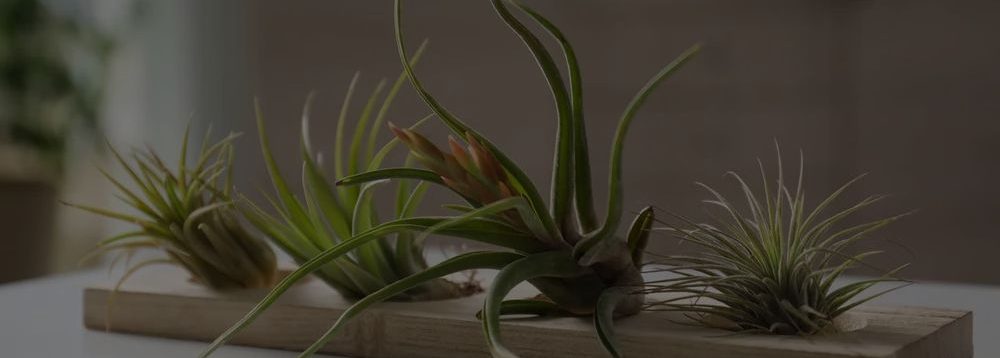

Creating an amazing indoor garden filled with unique plants is a dream for many gardeners. And among all the options that you can grow in your indoor garden are Air plants. These unique plants are very easy to grow as they don’t require soil to grow, yes, you read that right. Moreover, the foliage of these plants has a somewhat otherworldly appearance.
A perfect option for beginners, air plant care is almost non-existent. Moreover, these plants give many design options to improve your home decor. Since they are very different to care for from other plants, you need the right guide, such as these, to explore air plant care.
So without further ado, let’s see how you can grow, care for, and design air plants in your indoor garden.
What are Air Plants?

The term “Air Plants” is generally used for plants that belong to the Tillandsia genus; however, there are several types of air plants belonging to different plant families and genuses. In general, these plants are epiphytes (a Greek term, epi = on top of, phyte = plant), which means that they grow on other plants (usually, on tree branches) instead of in the soil, hence the name.
Apart from this, air plants are recognized by their strap-shaped and tentacle-like leaves that grow in a rosette pattern from the center of the plant. Even though these plants grow on top of other plants doesn’t mean that they take nutrients from these plants. The main sources of nutrients for these plants are air, water, and nearby debris.
As houseplants, these specimens grow to be a bit smaller, typically reaching a height of 2 to 12 inches; however, in the wild, air plants can even reach heights of 7 feet.
Air Plant Care

Air plants don’t need to be potted, but they still need water, light, and adequate temperature to thrive as indoor plants. Producing blooms is a sign that your air plants are thriving. Here are some general tips to keep in mind while growing air plants –
- Grow them in bright and indirect sunlight.
- Different types of air plants prefer different watering methods. Water them regularly.
- Keep your air plants in a warm and humid environment.
- Never plant them in soil.
Water
In their native habitat, the main source of water for air plants is rain. Watering these plants in the indoor setup, especially without any roots, is completely different from watering other plants. As mentioned above, there are different ways to water these plants. While most air plants do well with soaking (submerging the plant in a bowl with distilled water for 20-40 minutes every 2 weeks), others prefer misting or a quick dunk in water instead of soaking.
It is recommended to research the watering needs of your plants for better air plant care. Also, keep in mind not to keep your air plants in standing water other than their scheduled soaking, as it can lead to rot. Mist these plants in between watering to keep them fresh, especially in areas with low humidity and during winter.
Light
Air plants should be kept away from direct sunlight. Mostly growing on trees and on other large plants, these plants are habituated to filtered light and therefore, prefer medium indirect light. For better air plant care, avoid placing them in direct sunlight as it can burn their delicate leaves.
Soil
The most unique of air plants is that they thrive without any soil. However, some air plants, such as bird nest ferns, staghorn ferns, and moss, can adapt to grow in soil as well. You can research how to grow these plants in soil if you are planning to do so.
Temperature and Humidity
These plants thrive in warm and humid conditions, and it is the only tricky thing you’ll do during air plant care. The usual indoor environment is suitable for these plants; however, ensure that they don’t dry out.
Moreover, avoid placing these plants near cooling vents or heaters. Air plants will also thrive near a humidifier so that you can group them with other humidity-loving or water-loving plants.
Fertilizer
A water-soluble fertilizer suitable for epiphytes is recommended for these plants. You can add this fertilizer to the water that you mist or soak them in. Moreover, read the label to know the frequency of feeding. It is recommended not to overfertilize these plants, as it can cause fertilizer burn on leaves.
Pruning
As these plants grow new foliage, they shed their older leaves naturally. However, you might also need to prune them sometimes. You can prune these plants by gently pulling any old leaves you spot. Pruning is necessary as it promotes new growth and also beautifies the plants. Moreover, removing dead and decayed foliage also prevents diseases.
Potting and Repotting
Air plants don’t require any soil to grow, but they can be grown as potted plants or terrarium plants. You can also grow them in fish bowls, hanging pots, and other types of containers. You’ll only need to repot these plants when they outgrow their container. For better air plant care, carefully repot them without causing any damage to the plants.
Propagating Air Plants

A few types of air plants can also be propagated using different methods. You must conduct thorough research to find out the best way to propagate your specific air plants.
Propagating Air Plants via Division
- Healthy air plants produce pups or offshoots that can be separated and grown as new plants. Divide these pups when they are at least a third the size of their parent plants.
- You can gently pull these pups from the parent plants or use a clean and sharp knife to divide them.
- After dividing, follow the same care routine for the new plant as you did with the parent plant.
Propagating Air Plants via Stem Cuttings
- Use sharp and clean garden tools to take healthy stem cuttings that are at least 4-5 inches long.
- Let the cutting form a callus by setting it aside in a cool and dry place for 24 hours.
- Place the cutting in a vase or clear bowl filled with filtered water.
- Keep the cutting in a location with bright and direct sunlight. Replace the water once a week until the roots start forming from the base. You can then shift the cutting to its permanent home.
Air plants bloom only once in their life and produce seeds afterwards. You can also use these seeds to grow new plants. However, this method isn’t recommended as growing air plants from seeds takes at least 4 to 5 years and has a low germination rate.
Designing With Air Plants

One of the best things about having air plants in your indoor space is the freedom to display them in various creative ways. You only need to keep these plants in an accessible location where you can water them. Here are some of the ideas that you can consider while designing your indoor space with air plants –
- You can place your air plants on driftwood, rocks, or any wooden board.
- Terrariums, fish bowls, or any other transparent vase/bowls are also great for these plants. You can easily find such containers specially designed for air plants.
- Hanging pots and fishing lines can be used to hang these plants from the ceiling.
- You can also mount these plants on surfaces unsuitable for other plants, such as walls, mirrors, etc.
As long as you can care for these plants easily, there is unlimited creativity for designing your home with these plants.
Common Problems With Air Plants
Air plant care is easy, and these plants don’t usually cause many problems. However, like most plants, there are a few problems that you might face while growing these plants –
- Pests – Air plants can get infested by pests such as mealybugs and scale insects. You should separate the infested plants from others and remove pests by hand using a cotton swab. Or you can place your air plants outside for birds to take care of these pests if the weather allows you to do so. Avoid using neem oil as it prevents leaves from absorbing water. Instead, use rubbing alcohol.
- Black, Mushy Roots – These can be signs of rot caused by overwatering or keeping the plant in high humidity. Air plants are susceptible to such fungal diseases, which can be prevented by watering the plants adequately.
- Brown, Crispy Leaves – These are the signs of dehydration. Try increasing the humidity around the plant by misting or placing a humidifier, only after that, fix the watering schedule.
- Bleached Appearance – This could be due to too much sun exposure. Make sure to keep your air plants under medium or bright indirect light.
FAQs
Can air plants bloom?
Yes, air plants do bloom, but only once in their lifetime. You can get them to bloom by taking the right air plant care. Just keep them in indirect light, water them carefully, and if required, feed them occasionally. Once you notice the leaves changing color to bright pink or red, it means that the plant is entering its blooming cycle.
Are air plants safe?
Yes, these are pet-friendly plants. However, it is recommended to keep them away from the reach of your plants as they can damage them out of curiosity.
How long is the lifecycle of air plants?
Generally, these plants live between 2 to 5 years; however, in this period, they produce enough offshoots or pups to live indefinitely. Moreover, plant type and care routine can affect the lifecycle.
Are air plants fast growers?
Since there is so many variety of air plants, some are considered slow-growing while others are fast-growing plants. For example, orchids and tillandsia are slow growers, while ferns and cacti grow relatively fast.

Raghav is a talented content writer with a passion to create informative and interesting articles. With a degree in English Literature, Raghav possesses an inquisitive mind and a thirst for learning. Raghav is a fact enthusiast who loves to unearth fascinating facts from a wide range of subjects. He firmly believes that learning is a lifelong journey and he is constantly seeking opportunities to increase his knowledge and discover new facts. So make sure to check out Raghav’s work for a wonderful reading.