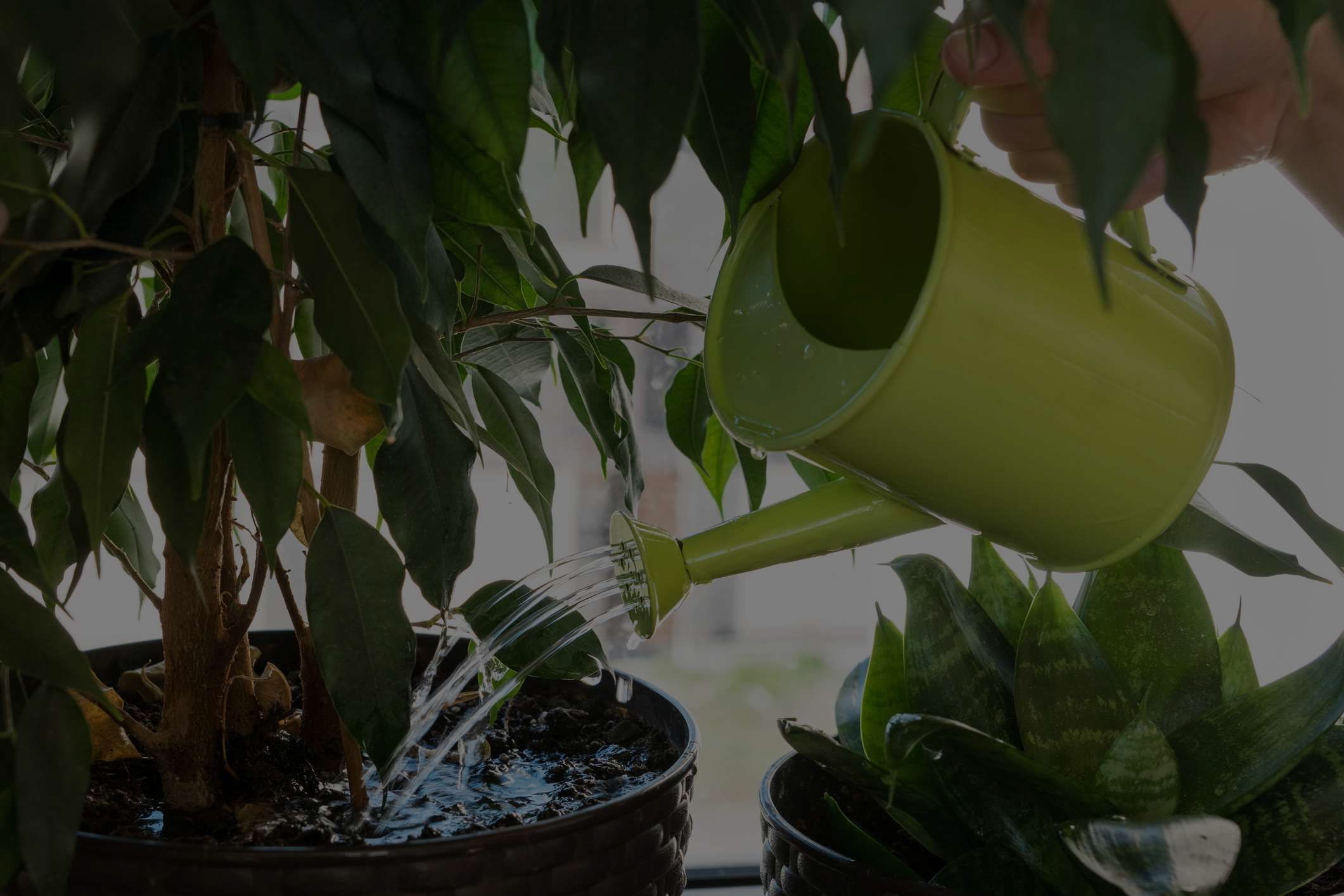

Every gardener knows the importance of watering their plants and how crucial it is to keep them healthy and lush. However, many encounter one of the most common plant problems among all the plant care tasks – Overwatered plants. This problem can cause the deadly root rot in plants and also disturb the soil’s pH, making way for more diseases such as mildew and several pests.
Both indoor and outdoor plants can suffer from overwatering. No matter if you are an experienced gardener or a beginner, it is very much possible to drown your beloved green buddies. Moreover, various natural conditions, such as sudden downpour (especially in the case of outdoor plants), can cause overwatering.
But worry not, because there are several ways to revive your overwatered plants back to full health if it’s not too late. In this guide, we bring you top tricks backed by seasoned gardeners all over the world to save overwatered plants.
Overwatered Plants: What is this Problem?
Overwatering is one of the most common problems resulting in early plant deaths. Overwatered plants lead to waterlogging in the soil and cause root rot. This can further lead to problems such as yellowing leaves, halted growth, and even death. Moreover, this can also invite various fungal plant diseases and pests that can migrate to other plants in your garden.
Overwatered plants show many signs that will help you fix this problem before it gets out of hand. Every gardener must know these signs of overwatering in plants.
Signs of Overwatered Plants
- Yellowing or browning in leaves, from the base of the plant.
- Wilting and drooping of leaves and stems, even with moist soil.
- Mushy and soft leaves or stems.
- Bad-smelling soil and roots (in severe cases).
- Fungal growth or mold on soil (also in severe cases).
These signs are commonly associated with overwatering; however, plants have similar signs for different kinds of stress and problems. Therefore, check out the next section to learn more about the signs of overwatering.

How to Diagnose Overwatering in Plants?
Now that you know the signs of overwatered plants, you must also learn how to diagnose this problem more deeply. This is important as you don’t want to work on fixing an issue that isn’t affecting your plants.
- Soil Moisture – Check the soil by sticking a finger at least half an inch deep. If the soil feels wet and soggy, that is a clear sign of overwatering.
- Check the roots – You can also check for overwatering by taking your plant out of the pot and inspecting the roots. If the roots appear brown, mushy, and slimy
- Look for Stress Signs – Finally, check for stress signs that are also mentioned above to confirm that your plants are suffering from overwatering.
Once you have successfully diagnosed that your plants are being overwatered, you can try to fix their health with the tricks mentioned in the next section.
Tricks To Fix Overwatered Plants
1. Get rid of Excess Water
Firstly, you need to get rid of excess water from potted plants. Also, clear the water from the saucer beneath the containers, if any. If you don’t have excess water, you can just jump to the next tip. Emptying the saucer/water trays and pots should be done immediately after the plants get overwatered by accident or by sudden downpour.
2. Halt Watering
If you have an overwatered plant, you should stop adding more water to it. Both indoor and outdoor plants should be given time to dry out in between waterings. And when your plants get overwatered, you need to take care of this. If your outdoor plants are experiencing heavy rain, you should use a cover to protect them. For indoor plants, move them to a bright location where excess water can evaporate quickly.
3. Take Care of the Damage
Check for any damage on the plants, such as yellow or brown leaves, mushy plant parts (especially at the base of the stem), rotting leaves, stems, and roots. Prune as much as you can and let the plant recover on its own naturally. Your plant will take some time to heal. It is recommended not to use any kind of fertilizer to aid it, as it can stress it. Also, avoid using any organic supplements to aid the growth of your overwatered plants.
4. Repot Your Plants
Severely overwatered plants are more prone to root rot; therefore, you should repot them. When repotting indoor plants, gently shake the damp soil off the roots and transfer the plants to a fresh container filled with high-quality, well-draining potting soil. To prevent adding more stress from replanting to the stress of overwatering, use a pot that is the same size or slightly larger. Another way to enhance drainage and perhaps accelerate the drying process is to add a layer of pebbles to the bottom of the pot.
Then, instead of using a calendar-based timetable, the plant should only be watered when the top inch of soil feels dry to the touch after it has stabilized.
5. Create Drainage
Encouraging proper soil drainage is essential for the recovery of an overwatered plant. This can be accomplished by adding things to improve drainage and utilizing tools to gently aerate the soil (raising air flow to help remove excess moisture).
This can be accomplished by adding a layer of amendments that enhance the texture of the soil, such as sand and compost. Vermiculite can also be added to a nice, nutritious soil mixture for indoor plants.
Note – There is no assurance that your plant will recover, even if you follow all of these instructions. The degree of damage to the roots is one factor. You might consider switching to a lighter, fluffier soil mix if you have a propensity to kill plants with kindness and are composting more than surviving. Make sure your containers have lots of drainage holes.
Saving Different Types Of Overwatered Plants
Here are some tips for saving different types of plants from overwatering –
- Succulents – Because plants are designed to flourish in arid environments, succulents and cacti are especially vulnerable to overwatering. Take particular care to remove any damaged roots from an overwatered succulent or cactus and wait until the soil has completely dried up before watering it again.
- Indoor Plants – When it comes to overwatering, houseplants like peace lilies, pothos, and philodendrons can be more sensitive. To avoid more problems, be careful while repotting and think about choosing a potting mix that drains effectively.
- Outdoor Plants – In order to recover from overwatering, outdoor plants such as trees, shrubs, and perennials may need more thorough root trimming and soil amendments. To enhance drainage, think about incorporating perlite or sand into the soil.
Conclusion
Even the most overwatered plants may be revived with the correct knowledge and technique, but overwatering is a prevalent issue that can have disastrous impacts on your plants. Don’t forget to accurately identify the problem, eliminate any extra moisture, and wait for your plants to heal. You’ll be well on your way to keeping an indoor oasis or lush, healthy garden by putting these techniques into practice.

Raghav is a talented content writer with a passion to create informative and interesting articles. With a degree in English Literature, Raghav possesses an inquisitive mind and a thirst for learning. Raghav is a fact enthusiast who loves to unearth fascinating facts from a wide range of subjects. He firmly believes that learning is a lifelong journey and he is constantly seeking opportunities to increase his knowledge and discover new facts. So make sure to check out Raghav’s work for a wonderful reading.